


How to Fix Hip Pain from Trochanteric Bursitis: A Simple 6-Week Plan
Updated: Apr 23
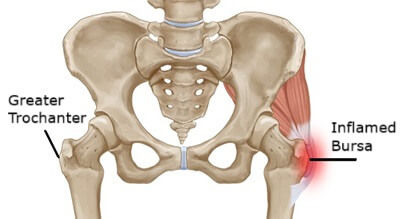
If you’ve been dealing with pain on the outside of your hip—especially when lying on your side, walking, or going up stairs—you may be experiencing Greater trochanteric pain syndrome, often referred to as trochanteric bursitis.
The good news? This condition usually responds very well to the right combination of movement, strengthening, and activity modification.
Let’s walk through what it is, why it happens, and exactly how to start improving it.
🤔 What Is Trochanteric Bursitis?
On the outside of your hip is a bony point called the greater trochanter. Over this area sits a small fluid-filled sac (bursa) that helps reduce friction between tissues.
When this area becomes irritated, it can lead to:
Pain on the outside of the hip
Tenderness when pressing on the area
Pain when lying on that side
Discomfort with walking, stairs, or prolonged standing
👉 In many cases, it’s not just inflammation of the bursa—it often involves irritation or weakness of the surrounding hip muscles (especially the glutes).
⚠️ What Causes It?
Trochanteric bursitis usually develops over time rather than from a single injury.
Common contributing factors include:
Weak hip muscles (especially glute medius/minimus)
Sudden changes in activity (doing more—or less—than usual)
Prolonged sitting or poor posture
Crossing your legs frequently
Sleeping on one side without support
Changes in exercise routines (like stopping or restarting workouts)
For active individuals (like those who enjoy Pilates), time off or changes in movement patterns can sometimes lead to reduced hip stability, which increases stress on the area.
⚠️ Before You Start
Before beginning any exercise program, it’s important to:
Consult with your doctor or healthcare provider
Make sure your diagnosis is accurate
Confirm it’s safe for you to perform these exercises
👉 Not all hip pain is the same, and proper diagnosis matters.
🛠️ The Key to Recovery
Many people think rest is the answer—but in most cases, the real solution is:
👉 Reducing irritation + gradually strengthening the hip
Below is a simple 6-week progression plan to guide you.
📅 Week 1–2: Calm the Pain & Reduce Irritation
🎯 Goal:
Settle symptoms and gently activate the hip muscles
Focus on daily habits:
Avoid crossing your legs
Don’t lean onto one hip when standing
Sleep with a pillow between your knees
Change positions every 30–45 minutes
Exercises (daily):
Wall hip press (hold) – 30 seconds × 5
Glute bridges – 2 sets of 10
Side-lying leg lifts – 2 sets of 8–10
Activity:
Light walking on flat surfaces
Avoid hills, stairs, or long distances if painful
📅 Week 3–4: Build Strength & Stability
🎯 Goal:
Improve control and strengthen the hip
Exercises (5–6 days/week):
Continue glute bridges → progress if able
Side-lying leg lifts – 2–3 sets of 10–12
Band walks – 10 steps each direction × 2
Sit-to-stand (chair squats) – 2 sets of 10
👉 Focus on keeping your knees aligned and hips level
Activity:
Gradually increase walking
Begin returning to light exercise (like modified Pilates)
📅 Week 5–6: Return to Normal Activity
🎯 Goal:
Restore strength and confidence in movement
Exercises (4–5 days/week):
Single-leg bridges – 2–3 sets of 8–10
Band walks – increase to 3 sets
Step-ups – 2 sets of 10 each leg
Step-downs – 2 sets of 8 each side
Activity:
Return to regular exercise gradually
Focus on control rather than intensity
⚠️ Common Mistakes to Avoid
Doing too much too soon once pain improves
Letting your hip “drop” during exercises
Stretching aggressively into pain
Ignoring daily habits (like posture and sleeping position)
⏳ How Long Does It Take to Heal?
Many people notice improvement within 2–4 weeks
Full recovery typically takes 6–8 weeks
Staying consistent is the most important factor
👍 Final Thoughts
Trochanteric bursitis can be frustrating—but it’s very treatable.
The key is understanding that:👉 This is often a strength and movement issue—not just inflammation
By staying consistent with the right plan, you can:
Reduce pain
Improve hip strength
Get back to the activities you enjoy
If you’re dealing with hip pain and want guidance tailored specifically to you, working with a qualified provider can help you recover faster and avoid setbacks.


Comments